Tesla roadside assistance is free in the basic vehicle warranty for a covered defect. An empty pack on an Inland Empire shoulder isn’t that defect. Tesla can still take the call. Energy drops, flats, lockouts, and crash tows still get billed. Confirm Tesla’s current roadside terms before you assume the visit is free. A warranty tow isn’t a Level 2 charge on the shoulder.
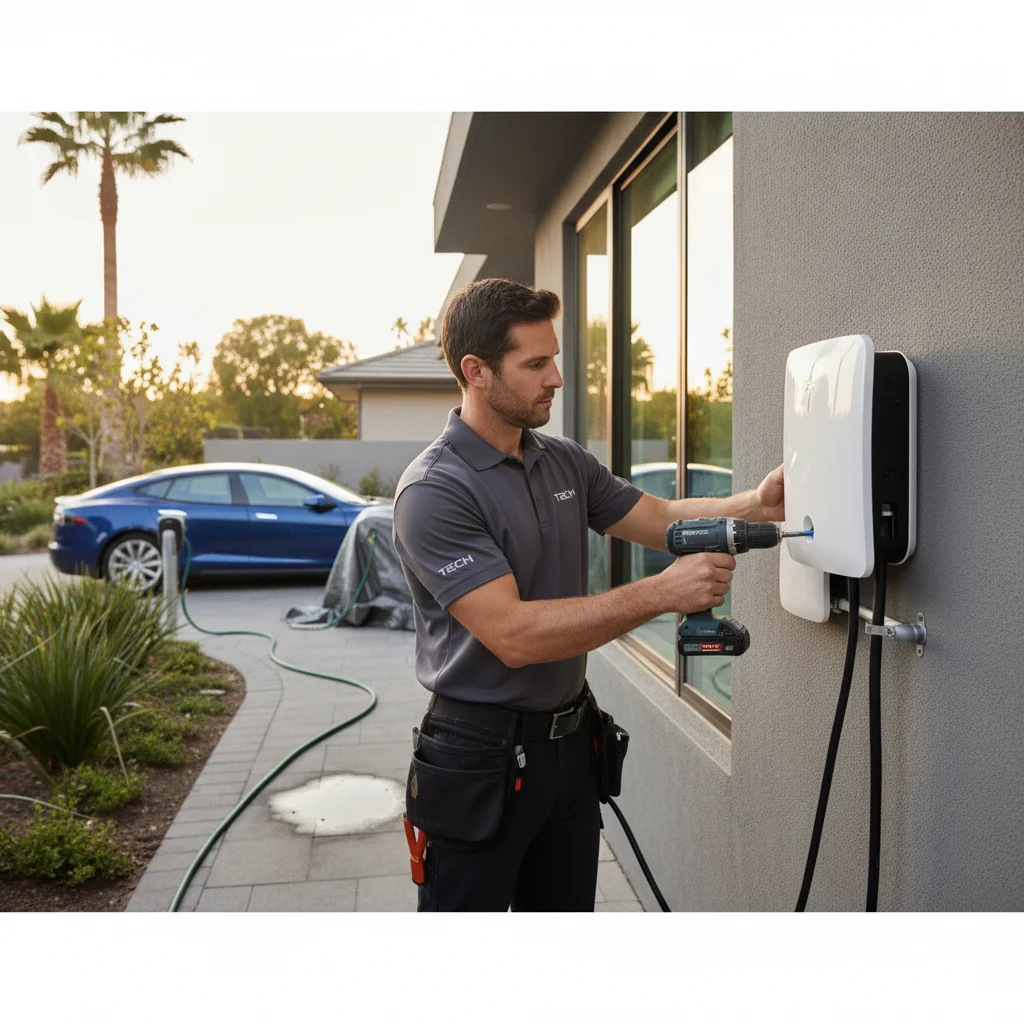
Free follows the defect, not the freeway
Tesla’s published New Vehicle Limited Warranty lasts four years or 50,000 miles. That’s whichever limit you hit first on most models. Roadside help rides with that window. You don’t buy a club membership. You don’t subscribe to Tesla roadside as a standalone plan. It starts when you take the car. It ends when that basic warranty ends.
The limiter is the defect. Tesla’s program isn’t a blanket rescue plan. If a covered fault made the car undriveable, Tesla’s terms describe a no-charge dispatch. Covered here means a mechanical or electrical defect inside that warranty. Burning the last miles on the Cajon climb isn’t a defect. Out of charge on I-15 at the Cajon climb is an energy problem. It isn’t a warranty story.
Always confirm the live language on Tesla’s support and warranty pages. Terms change. This article doesn’t replace Tesla’s documents.
The Inland Empire isn’t one suburb with a name swap. Riverside County’s ACS 2019-2023 population is 2,478,600. San Bernardino County’s is 2,197,104. A Model Y on I-10 in Colton sits under the same Tesla policy. So does one that dies on SR-91 in Corona. The grade, the heat, and the utility behind the house still differ.
What Tesla still treats as a no-charge call
Tesla may send mobile service or a tow for a covered defect. Covered examples usually include a failed 12V that keeps the car dark. They also include drive-unit or high-voltage faults that leave you undriveable. Software faults that trap the car in Park can qualify too. Other mechanical or electrical defects inside the basic warranty can as well.
Tesla may send a mobile technician. Tesla may send a flatbed to a Tesla service site. If Tesla covers that dispatch, you shouldn’t see a separate roadside bill. Ask the agent to say so before anyone hooks the car.
Limited winching appears in Tesla’s published roadside terms. Off-road use and clear driver error are common exclusions. Read the current wording. Don’t assume a dirt spur off a High Desert road is included.
A 12V failure can look exactly like a dead pack. Locks, screens, and high-voltage contactors all depend on that small battery. Inland Empire heat wears that 12V. A warrantable 12V defect is one kind of call. An empty traction pack is another. The operators we connect you with can jump a Tesla 12V on site. If you want that local 12V path, start there.
What still gets billed during warranty
Tesla’s roadside terms keep several jobs billable even while the basic warranty is live. Warranty status doesn’t flip them to free.
An empty pack. Tesla treats an energy service call as driver error, not a defect. Rolling to zero on I-215 through Moreno Valley is in that bucket. So is I-10 through Redlands. So is SR-60 in Jurupa Valley. A warranty tow to a service center isn’t a Level 2 hookup. That’s a different job from charging on the shoulder. For the policy split, read empty pack versus a warrantable breakdown.
Tires. Most Teslas don’t ship with a spare. A puncture, a loaner wheel, or a tire tow is billed. Tesla’s tire help isn’t a free membership perk.
Lockouts. Your phone died. The key card is on the seat. Tesla can unlock the car. It isn’t a warranty gift.
Collisions. Crash damage isn’t a warranty defect. Tesla may help arrange a tow. You or your insurer pay.
Misuse. Off-roading, flood water, and charge-port damage from the wrong gear stay excluded.
Don’t guess Tesla’s per-service prices from memory. Tesla quotes those. The contractor who arrives quotes those. Read What Tesla roadside covers versus a local mobile charge for who bills whom.
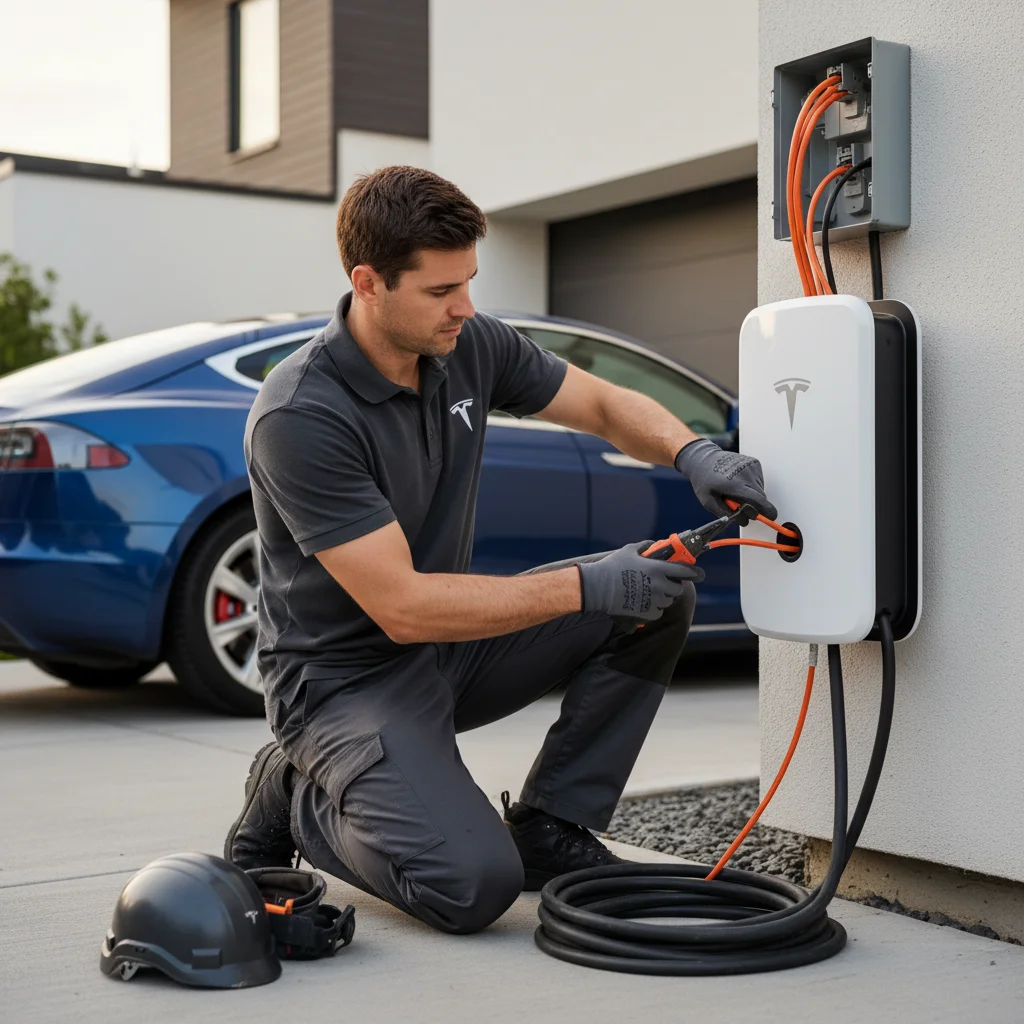
After four years or 50,000 miles
When the basic warranty ends, the no-charge mechanical dispatch ends with it. Tesla’s roadside program after that is pay-per-use. There’s no Tesla-only yearly roadside club in the AAA style. You call. Tesla prices the job.
The Battery and Drive Unit Limited Warranty lasts longer. Tesla publishes eight years. Mileage caps vary by model. Check your exact cap on Tesla’s warranty page. A pack or drive-unit fault in that later window may still be a covered repair. That’s the stretch between year four and year eight. Whether Tesla waives the roadside dispatch in that gap isn’t always clear. Read the public terms, then ask Tesla. Keep the answer in the app thread.
Tesla Extended Service Agreements exist. Whether yours includes roadside is a contract question. Read the agreement you actually bought.
Your auto policy or a card benefit may list EV roadside. Confirm that before you need it on I-10. Those plans often tow. They often don’t bring 240-volt charge to the car.
Valley heat, mountain grades, and High Desert miles
Housing age and terrain aren’t the same from Eastvale to Big Bear Lake. Eastvale’s ACS 2019-2023 housing is new: 2.2% of units predate 1980. Temecula sits at 6.5%. San Bernardino sits at 60.9%. Newer streets don’t change Tesla’s defect rule. An empty pack is still an empty pack.
Grades spend a low battery. I-15 over Cajon toward Victorville and Hesperia is a climb. I-10 through Beaumont and Banning is a climb. The run toward Yucaipa is a climb. SR-91 through Corona stacks heat and stop-and-go. The Ortega near Wildomar is a two-lane hill road. None of those stretches turn an empty pack into a covered defect.
Your electric utility won’t come to the shoulder. Riverside Public Utilities has served the City of Riverside since 1895. Colton owns the electric system inside Colton. Banning runs a city electric utility. Bear Valley Electric Service covers Big Bear Lake and Big Bear City. Moreno Valley is split in places between Southern California Edison and Moreno Valley Utility. Rancho Cucamonga has a similar SCE and city-utility split in a southeast pocket. None of them is Tesla roadside. None of them is a mobile Level 2 truck.
Warehouse rows in Fontana and airport lots around Ontario are long, hot sits. A work Tesla can go quiet on the 12V after a shift. That might be a warranty 12V job. It might be an out-of-charge job. Tesla’s agent will sort it by cause. The lot name doesn’t decide coverage.
South county wine-country miles around Temecula and Murrieta look easy until the return climb. High Desert miles around Adelanto, Phelan, and Apple Valley still use Tesla’s same defect test. Mountain towns on Bear Valley’s lines do too.
A local Level 2 visit isn’t Tesla’s warranty tow
Charge Pro IE is a referral line. We don’t own trucks. We don’t employ technicians. We don’t perform the work. We match stranded drivers with independent local operators. Those operators quote you before they start. They bill you directly.
Tesla warranty work stays Tesla’s job. We’re not a substitute for a covered defect repair. The operators we send cover stalls Tesla treats as owner-pay. They also cover stalls where you want charge at the car. That’s instead of a tow you may not get for an empty pack.
What they bring is a 240-volt Level 2 source. Teslas take a native NACS plug. Other EVs use a CCS or J1772 adapter. They typically add 10 to 20 miles of range. That’s in 15 to 30 minutes of charging. That’s charging time, never an arrival time. They can also jump or replace a dead 12V on site. They handle Tesla and every major EV brand.
If you want that path, start with Tesla roadside rescue. For the policy detail, read what Tesla roadside actually covers. For a pack that’s already at zero, use out-of-charge recovery.
If your Tesla is stuck in the Inland Empire, call (909) 250-2881. That’s for an empty pack or a dead 12V. We’ll connect you with a local operator. That operator quotes before work starts. Nobody here can promise an arrival clock.